

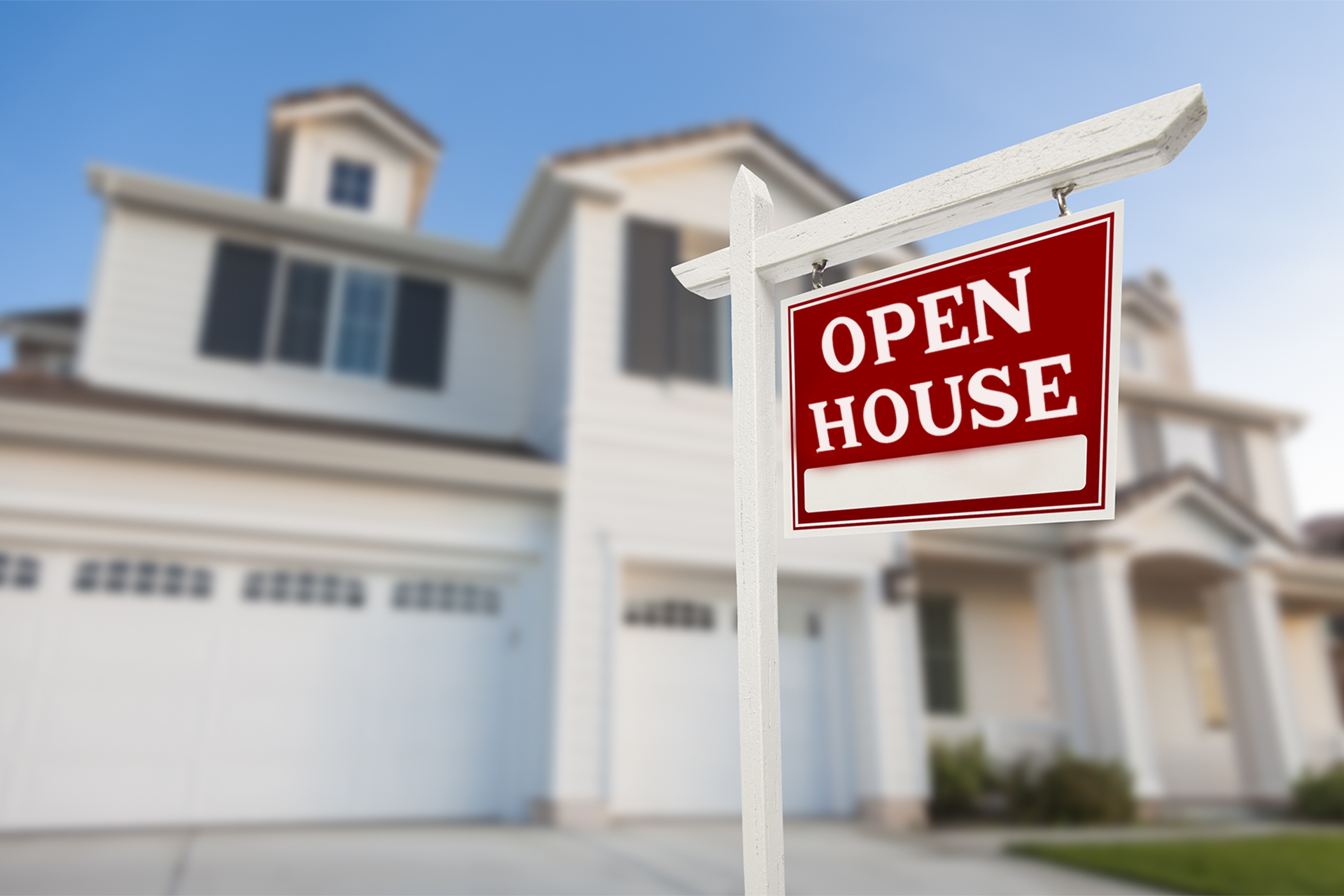
Key Details Buyers Often Overlook
Open houses are a great way to get a feel for a home—but when you’re caught up in the excitement (and maybe eyeing the kitchen backsplash), it’s easy to miss things that really matter.
Whether you’re a first-time buyer or a seasoned investor, this list will help you walk into an open house with confidence—and walk out with clarity.
1. Look Beyond the Staging
Beautiful furniture and cozy scents can make any home feel perfect—but they’re just surface-level.
What to pay attention to instead:
Wall cracks or water stains hidden behind art
Rugs that may be covering warped or damaged flooring
Overpowering air fresheners (could be masking odors)
Tip: Try to look past the style and focus on the bones of the house.
2. Check Doors, Windows & Cabinet Function
Open, close, and test things!
Do doors stick or creak?
Are windows easy to open and shut?
Do cabinets and drawers slide smoothly?
Look for drafts around window edges
These small signs can indicate bigger structural issues or deferred maintenance.
3. Observe Heating, Cooling & Ventilation
Comfort is key—especially in areas with extreme seasons.
Questions to ask or investigate:
Is the HVAC system newer or original to the house?
Are there vents in every room (especially bathrooms)?
Any hot or cold spots during your visit?
Ceiling fans or airflow features?
Don’t forget to ask about utility costs! They can give clues to energy efficiency.
4. Look Closely at Walls and Ceilings
Scan for:
Cracks (especially near corners or door frames)
Uneven paint patches or fresh spackling
Discoloration (may indicate water damage)
If something seems off, take a photo and ask your agent to follow up.
5. Test the Plumbing (Yes, Really)
Don’t be shy—it’s okay to test the water.
Run faucets to check pressure
Flush toilets to ensure proper function
Peek under sinks for leaks or mold
Look for water spots on ceilings or walls below bathrooms
Poor plumbing can mean costly repairs down the road.
6. Test Signal & Outlets
Imagine living there for a second—would your phone or internet even work?
Check your signal strength in different rooms
Ask how strong Wi-Fi is (especially in basements or garages)
Look at outlet placement and test a few with your phone charger
Not enough outlets = frustration later.
7. Explore the Neighborhood—Not Just the House
Take a few minutes to walk or drive the area. Pay attention to:
Noise levels (traffic, trains, neighbors)
Parking availability
Sidewalks and lighting
Proximity to grocery stores, schools, or your commute
Ask yourself: Can I picture my day-to-day life here?
8. Ask the Right Questions
Make the most of your time by asking the listing agent or your realtor:
How old is the roof, HVAC, and water heater?
Are there any known issues or recent repairs?
How long has the home been on the market?
Why are the owners selling?
Their answers can reveal motivation, red flags, or negotiation leverage.
9. Trust Your Gut
While data is important, your intuition matters too. How does the home feel?
Is it warm and welcoming—or dark and damp?
Do you feel excited or uneasy?
Can you see yourself living there, not just visiting?
Sometimes, your gut knows before your brain does.
Final Thoughts
An open house is more than just a walkthrough—it’s your chance to investigate, imagine, and evaluate. Don’t let great lighting or perfect staging distract you from what really matters.
Ready to Tour Like a Pro?
At First Capitol Real Estate, we help you see what others might miss—and make sure no detail goes unnoticed in your home search. Whether you’re touring this weekend or just starting your search, we’ve got your back.
Reach out today and we’ll guide you from open house to closing day.